
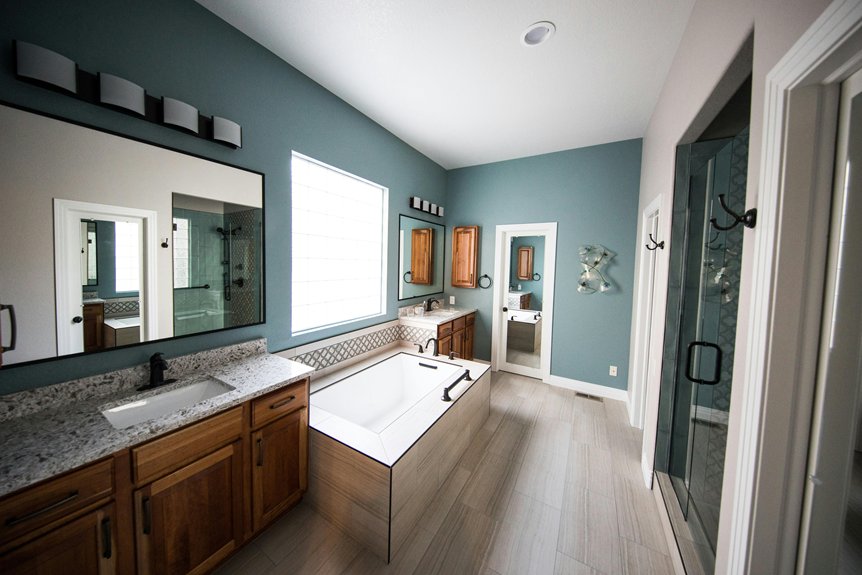
Yes, bathroom remodels do boost home value—but you’ve got to be strategic.
A midrange remodel typically returns 70–80% of your investment at resale, so that $25,000 project nets you around $20,000 back.
Skip luxury spa features; buyers want practical upgrades like updated vanities, quality countertops, and walk-in showers instead.
The catch? Your region matters hugely—Pacific areas see 91% ROI while other regions lag behind.
Keep reading to discover exactly which upgrades pack the biggest punch and which ones drain your wallet.
Does a Bathroom Remodel Really Increase Home Value?
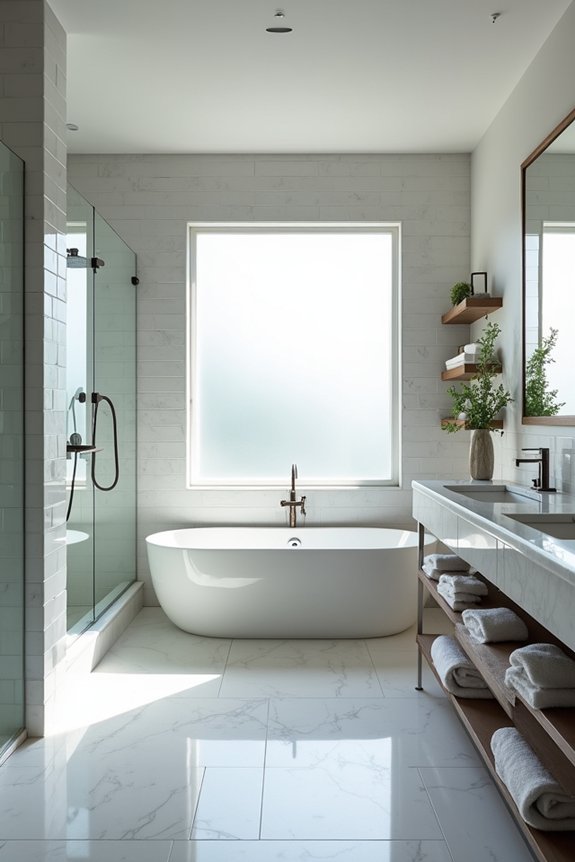
Yes, bathroom remodels do increase home value—but not all of them equally.
Bathroom remodels boost home value, but ROI varies significantly based on project scope and location.
A midrange remodel typically returns about 70–80% of your investment at resale. Spend $25,000, and you’ll likely recover $20–21,000. That’s solid. Upscale projects? They’re trickier. You might only recoup 42–60%, even with fancy finishes.
Where you live matters too. The Pacific region sees nearly 91% ROI for midrange work—way better than other areas.
The key? Target broad appeal. Updated vanities, new flooring, better ventilation. Skip the gold-plated fixtures unless you’re in a luxury market.
Think of it this way: you’re not just upgrading. You’re speaking the language buyers understand. Regional differences, material quality, current condition—they all communicate to potential owners about your home’s worth.
What ROI Can You Expect From Different Remodel Types?
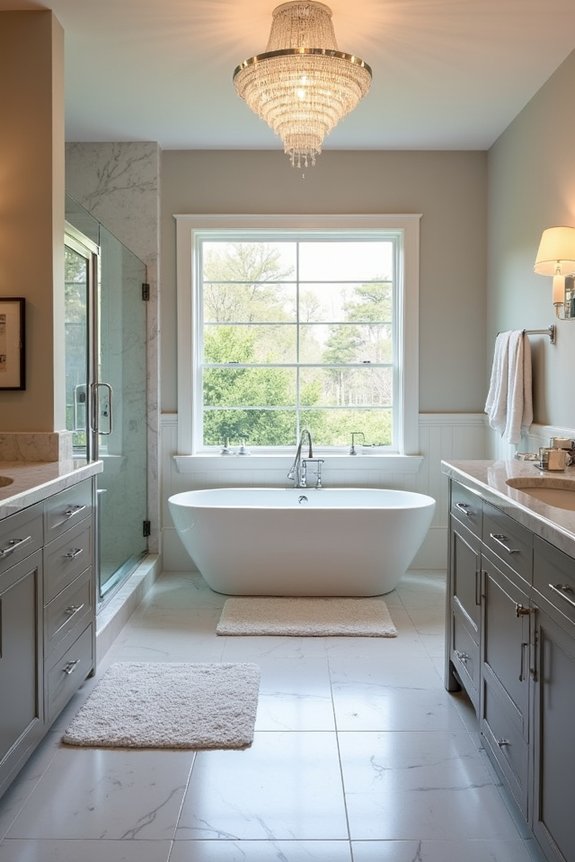
When I looked into bathroom remodels for my own home, I realized that not all projects return the same value—and that’s where things get interesting. A midrange remodel (think new fixtures, fresh tile, updated lighting) typically brings back about 70–72% of your investment, while splurging on luxury upgrades might only return 42–60% because buyers don’t always value high-end finishes the way you do. The math is simple: spend $25,000–$26,000 on a solid midrange remodel and you’ll likely recoup around $20,900–$21,000, but go upscale with an $80,000+ budget and your return drops substantially.
Midrange Remodel Returns
How’s this for a sweet spot: you’re looking at a national average ROI of about 70.1% on a midrange bathroom remodel—meaning you’ll pocket roughly $20,915 back when you sell, even though you’ve spent around $26,138 on the project.
Here’s what makes midrange projects stand out: they outperform pricier upscale remodels in most markets. You’re getting solid value without spending $40,000-plus. The typical midrange project costs about $25,251, delivering substantial returns while keeping costs reasonable.
Location matters though. The Pacific region leads the pack with around 91% ROI—notably strong. That regional ROI variation means your bathroom’s payoff depends partly on where you live.
Bottom line? Midrange remodels strike that perfect balance between smart spending and genuine returns. You’re investing wisely while improving your home’s actual value.
Upscale Versus Budget Projects
So you’ve got some cash to spend on your bathroom—but should you go all-out luxury or stick with something more modest?
Here’s the truth: *midrange vs upscale* isn’t always about picking the fancier option. Midrange bathroom remodels deliver roughly 70% ROI, while upscale projects hover around 60%. That’s right—spending more money often means getting *less* back.
Why? Buyers appreciate solid value. A midrange remodel costs about $25,000–$26,000 and attracts more interest than a $78,000 luxury overhaul. Smart upgrades like new vanities, quality flooring, and modern fixtures generate stronger buyer appeal while keeping costs reasonable.
Regional variations matter too. The Pacific region sees midrange returns climbing to 91%. Before deciding, consider your neighborhood’s expectations and what actually moves homes. Sometimes modest wins the game.
High-ROI Bathroom Upgrades That Buyers Want
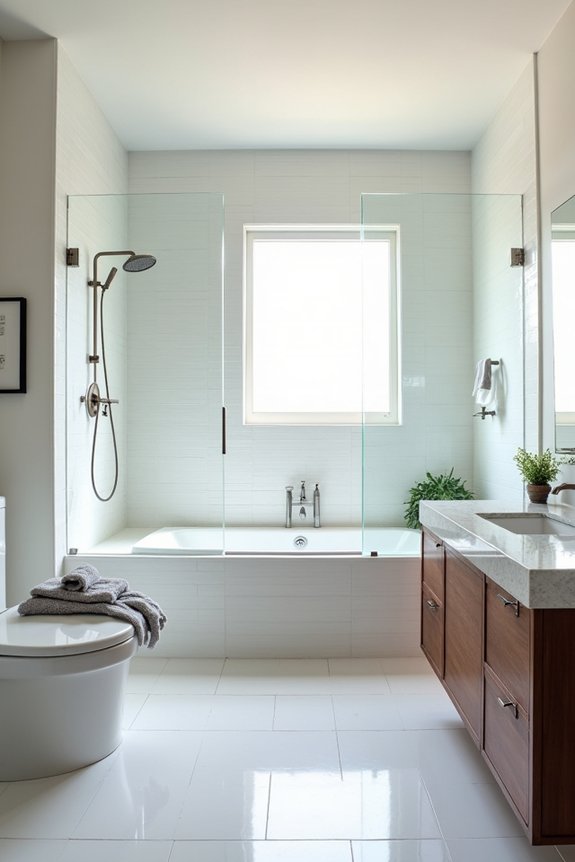
When I walk through homes with potential buyers, I notice they’re drawn to two things immediately: a clean, modern vanity and a gleaming countertop that shows attention to detail. Upgrading your vanity with a double sink (especially in the master bath) and swapping in granite countertops with sleek, contemporary fixtures delivers solid return on investment that catches buyers’ attention before they even step into the shower. Your shower and tub matter equally because that’s where people envision their daily routine, so quality construction and finishes are important here too.
Vanity And Countertop Upgrades
Why does a simple vanity upgrade often feel like you’ve completely redone your entire bathroom?
Because you have. Vanity upgrades deliver serious ROI—they’re what buyers notice first. Here’s what works: swap out countertops for granite or quartz, pair them with modern faucets, and suddenly your bathroom feels high-end. Double-sink vanities in master baths? A significant improvement. They signal space and functionality that buyers want.
You don’t need to spend excessively either. Cabinet refinishing and new vanity hardware refresh everything affordably. Prefabricated vanities with included countertops offer the easiest path—cohesive, polished, installed quickly.
Mid-range ROI bathroom remodels focusing on vanity and countertop upgrades hit the sweet spot. You’re not over-improving, just strategically investing where buyers look first.
Shower And Tub Features
Your shower and tub are where buyers spend their mornings waking up and their evenings unwinding—which means they’re scrutinizing every detail. A spa-like enclosure with frameless glass and rainfall showerhead? That’s the upgrade they want. Mid-range shower upgrades ($3,000–$10,000) deliver serious bathroom resale value and buyer interest.
Consider these high-impact changes:
Walk-in showers beat cramped stalls every time. They feel luxurious and accessible.
Moisture-resistant tile paired with a ventilation upgrade (110 CFM+ exhaust fans) protects your investment long-term.
Built-in niches and multiple showerheads create an upscale bathroom experience.
You don’t need a complete overhaul either. Budget-friendly touches—rainfall showerhead, improved enclosure, niche storage—deliver noticeable value at a reasonable cost. Coordinate your fixtures and hardware throughout. That unified appearance? Buyers absolutely notice it.
Bathroom Features That Won’t Pay Off
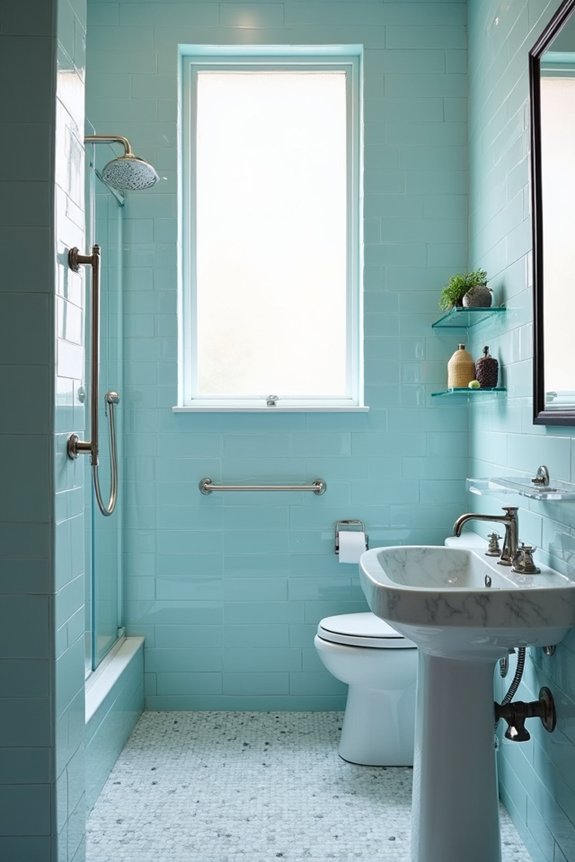
Not every bathroom upgrade is a smart investment—and I’ve learned this the hard way. You might love the idea of a jet tub or steam shower, but here’s the truth: they rarely deliver strong ROI. These luxury spa features cost thousands upfront and demand constant maintenance that’ll drain your wallet.
High-end vanities? Same story. That gorgeous custom piece you adore probably won’t recover its cost at resale. I’ve seen homeowners pour money into ADA accessibility upgrades too—valuable for personal needs, sure, but buyers don’t always prioritize them.
The lesson: pursue luxury spa features for *your* enjoyment, not resale value. Know the difference between what makes *you* happy and what actually increases your home’s value. Smart remodeling means choosing upgrades with real market demand, not just personal preferences.
Should You Remodel Before Selling Your Home?
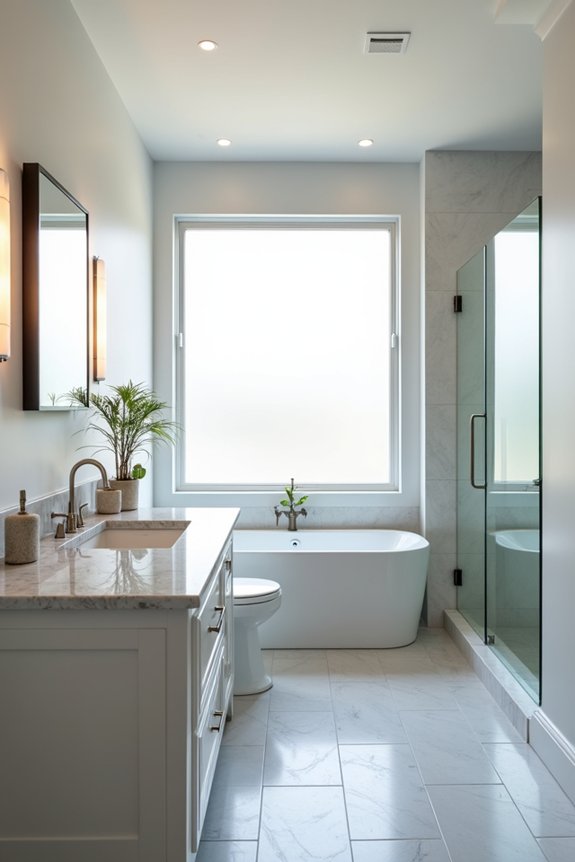
If you’re sitting on a tired bathroom right now and wondering whether it’s worth the investment before you list, here is what I’ve learned: timing matters, and so does scope.
A midrange bathroom remodel typically delivers the best bathroom remodel ROI—around 70–80% return on investment. That’s solid. But here’s the thing: you don’t always need a complete overhaul. Strategic pre-listing repairs often work well. Updated vanity lighting, fresh caulk, and quality materials can significantly boost buyer appeal without excessive cost.
I’ve seen homes sell faster when bathrooms feel cared for. Even modest upgrades signal that you’ve invested in your home, which increases perceived resale value. About 29% of sellers remodel before listing—and they’re onto something.
The decision? If your bathroom’s genuinely rough, a targeted renovation increases home value potential significantly. Small fixes? Always worth it.
How Your Local Market Affects Bathroom Remodel Returns
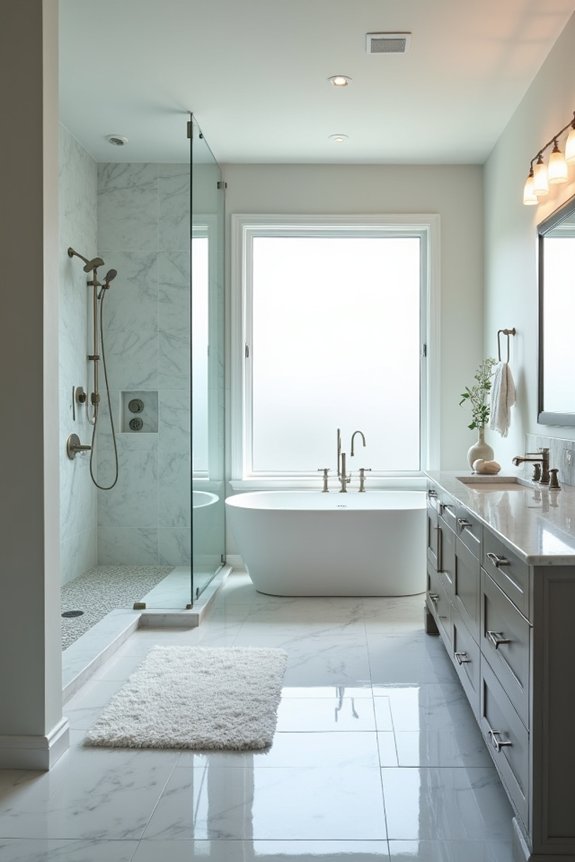
While that 70–80% ROI sounds great, here’s what I’ve learned from watching countless renovations play out: the number on your estimate doesn’t mean much if you’re not factoring in where you live.
Your local market demand shapes everything. I’ve seen midrange bathroom remodels return nearly 91% in the Pacific region, while other areas lag behind. Here’s what shifts your returns:
- Regional differences in home values
- Competition in your neighborhood
- Local buyer preferences for new versus upgraded bathrooms
- How appraised value compares to renovation costs
Before you commit, talk with a real estate agent about your specific area. They’ll compare competing homes and reveal whether buyers actually want brand-new bathrooms. That conversation gives your renovation concrete data instead of assumptions. Your home’s resale value depends on it.
Quick Fixes That Deliver Value Without Major Expense
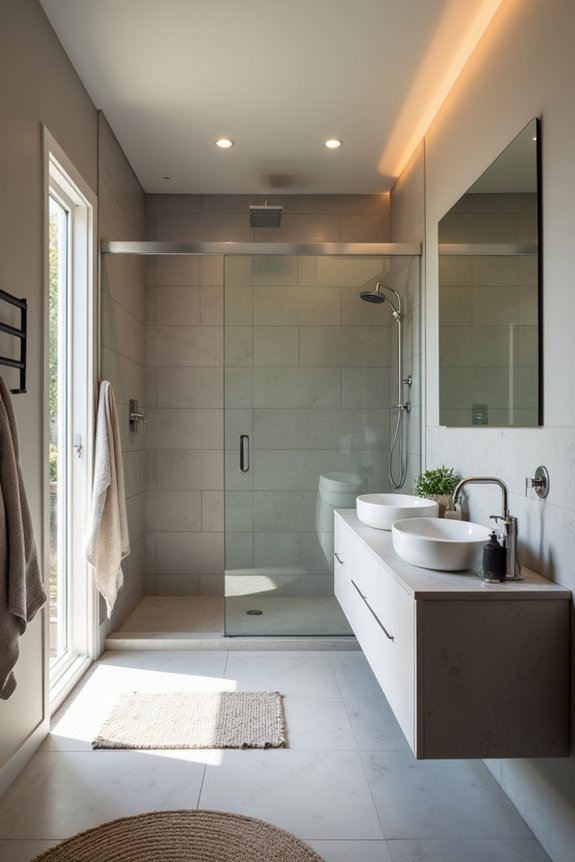
How much can a fresh coat of paint actually change a bathroom? I’ll tell you—it works. A bathroom remodel doesn’t always require major expense to boost buyer appeal. I’ve seen real improvements happen through smart, cost-effective quick fixes.
Paint everything. It’s my go-to move. New color instantly modernizes the space.
Update hardware on cabinets and fixtures with a cohesive white scheme. This unifies everything visually.
Upgrade lighting. Adding dimmer switches creates flexible ambiance that feels refined at a reasonable cost.
Deep clean ruthlessly. Remove rust, scrub surfaces, recaulk seams. Cleanliness drives value.
Replace the mirror or add built-in lighting for instant polish.
These quick fixes deliver genuine value. They’re achievable, affordable, and they work. Your bathroom gains real appeal while staying within your budget and timeline.
Prioritize Function and Condition Over Luxury Features
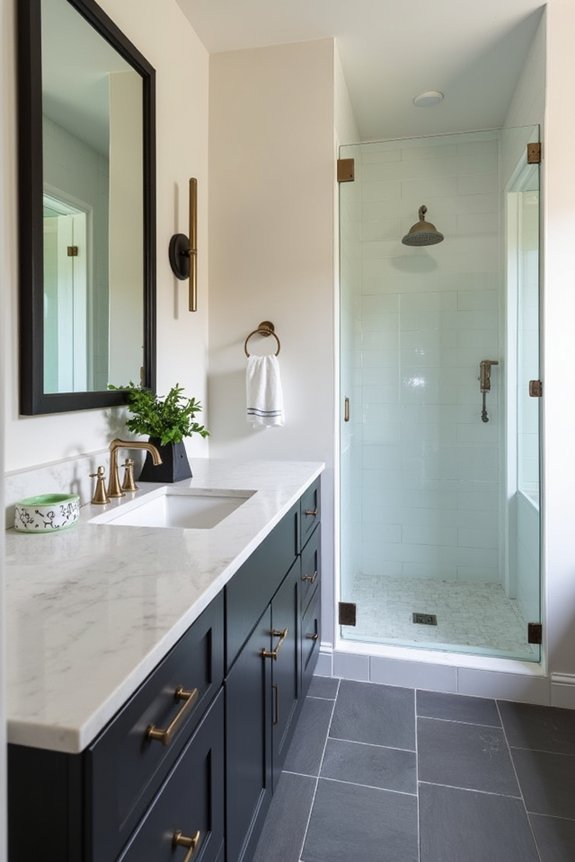
Before you dream about that rainfall showerhead or heated towel rack, let me be honest: buyers care way more about whether your toilet actually works and your walls stay dry. I’ve seen homeowners spend thousands on luxury features only to watch potential buyers walk away because of hidden mold or faulty plumbing—talk about throwing money at the wrong problem. So here’s my take: fix the foundation first (structural issues, water damage, electrical safety), and you’ll see real returns; the spa stuff can wait.
Fix Structural Issues First
What’s the real foundation of a bathroom that’ll boost your home’s value? It’s not the fancy tile or gleaming fixtures—it’s fixing what’s broken underneath.
I learned this the hard way. Before investing in upgrades, you’ve gotta tackle the structural issues that scare buyers away:
- Cracks in walls or floors
- Mold and water damage
- Faulty electrical wiring
- Poor ventilation problems
These aren’t luxuries to skip. They’re safety concerns that directly impact your ROI. Pre-listing repairs show buyers you’ve done your homework. Install durable finishes and a quiet vent fan to prevent future mold. Waterproof materials matter more than marble countertops.
Fix the foundation first. Then make it beautiful. That’s how you actually increase your home’s value—and your peace of mind.
Skip Luxury Spa Features
Once you’ve got the bones of your bathroom fixed, you’ll face a tempting detour: the luxury spa fantasy.
I get it. Jet tubs and steam showers sound appealing. But here’s the truth: they don’t deliver strong ROI. Buyers want *practical* improvements instead.
Focus on what actually matters. Invest in functional updates like improved lighting, better storage, and upgraded ventilation. Choose waterproof materials and durable flooring that’ll stand the test of time. These upgrades have broad appeal.
A midrange remodel beats luxury additions every time. You’ll recoup more of your investment by prioritizing return on investment—not extravagance.
Your bathroom remodel should enhance usability and ease maintenance. Skip the spa features. Choose durability. Choose function. That’s what sells homes and keeps your wallet happy.
Regional Variations in Bathroom Remodel ROI
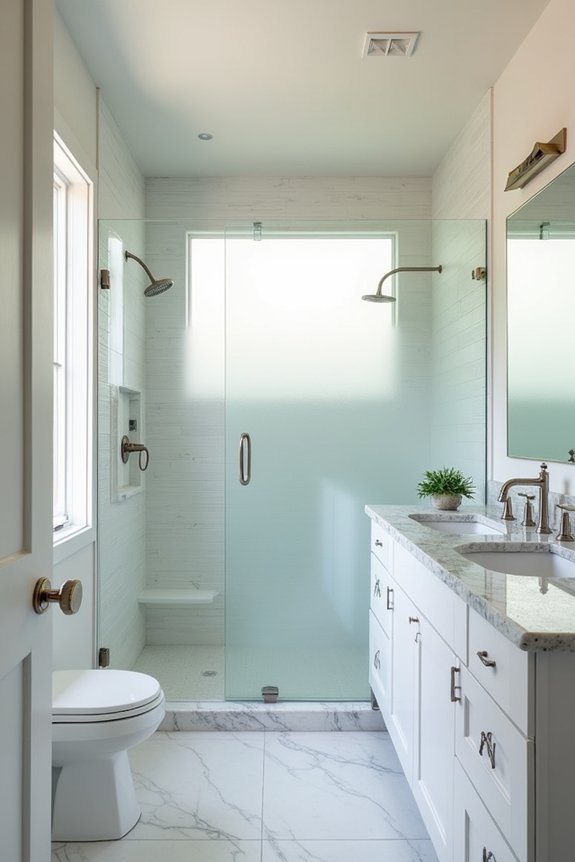
Where you live matters—a lot—when it comes to getting your money back from a bathroom remodel.
I’ve learned that ROI varies dramatically by region. Here’s what you need to know:
- Pacific region bathrooms (CA, HI, WA, OR, AK) deliver the highest midrange ROI at 91%
- National midrange remodels typically return 70–80% depending on market conditions
- Midrange projects cost $25,000–$28,000 and often outperform upscale remodels regionally
- Local market demand determines whether your bathroom upgrade boosts home value
Your local market shapes everything. In competitive areas, brand-new bathrooms attract buyer attention. Upscale remodels don’t always guarantee better returns—sometimes midrange delivers stronger results. That’s the regional variation many homeowners overlook. Understanding your specific area’s bathroom remodel ROI patterns leads to smarter investment decisions for your home value.
Budget-Friendly Ways to Maximize Bathroom Appeal
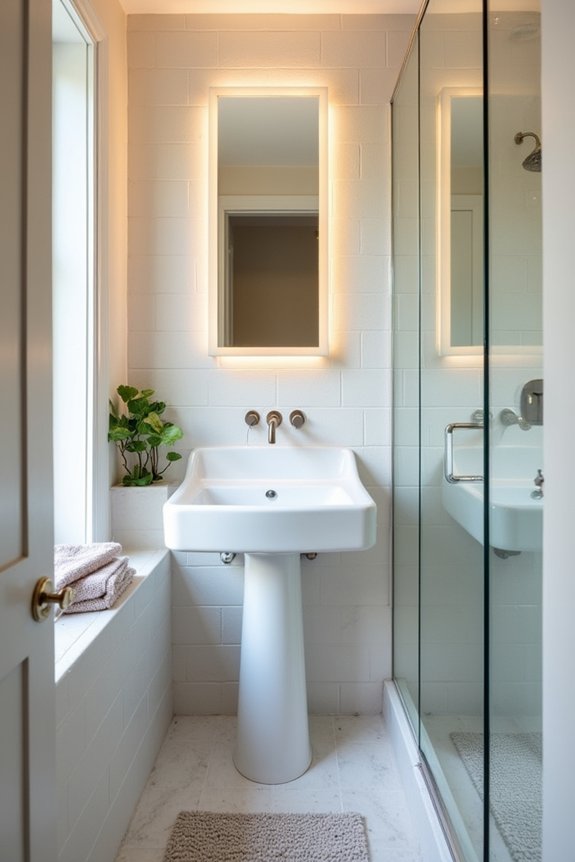
Now that you understand your region’s ROI potential, here’s the good news: you don’t need to spend $25,000 to make your bathroom shine.
I’ve learned that smart, budget-friendly choices deliver serious resale value. Start with basics: recaulking, deep cleaning, and refreshing outdated fixtures work wonders. Swap old hardware and lighting for modern options. These moves cost little but improve everything.
Next, consider porcelain tile flooring and an updated vanity with fresh countertops. Add layered, dimmable lighting to create that high-end feel. Paint walls in neutral tones. Choose white fixtures for broad buyer appeal.
What matters most? Coordinated finishes outperform luxury brands. Your bathroom remodel’s ROI increases when you focus on durability and consistent style. You’re not just cleaning—you’re creating an inviting space buyers actually want.
Talk to a Professional Before Starting Your Remodel
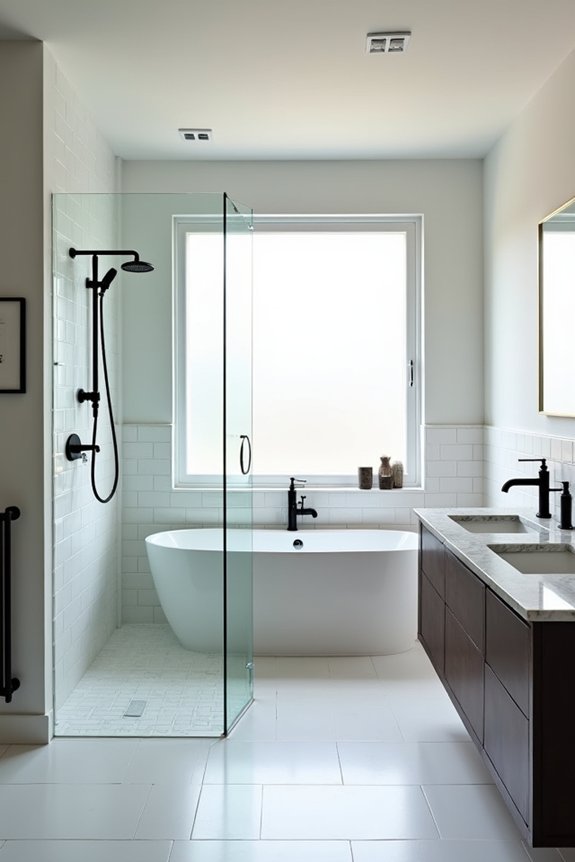
Why do so many DIY bathroom projects end up costing twice as much as planned? Because hidden problems emerge—rotted framing, outdated wiring, plumbing issues—that derail budgets and timelines.
Before swinging a hammer, consult a licensed contractor. They’ll assess what you’re actually dealing with and verify everything meets code. Here’s what a professional brings to the table:
- Structural and electrical expertise that prevents costly mistakes
- Knowledge of permits and inspections you’ll need
- Detailed quotes that account for unexpected surprises
- Warranties backing their work for reliability
Vetting multiple contractors through Angi or Houzz helps you compare offerings and past projects. Yes, professionals cost more upfront. But their quality materials, craftsmanship, and buyer appeal deliver better ROI. Getting several quotes lets you budget smartly and plan for reality—not hopes.