Bathroom decorating costs depend on your style ambition. A cosmetic refresh runs $3,000–$7,000 with paint and fixture swaps.
Mid-range upgrades hit $7,000–$20,000, adding tile accents and fresh flooring.
Luxury finishes? Expect $20,000–$50,000+ for premium materials and custom vanities.
Here’s the thing: materials gobble 35–60% of your budget, while labor claims 40–65%.
Keep existing plumbing to slash costs significantly.
Your actual investment hinges on whether you’re refreshing or renovating—continue reading to discover which approach matches your wallet and goals.
What Drives Bathroom Remodel Costs: Size, Materials, and Layout
Ever wonder why your neighbor’s bathroom renovation cost twice as much as you’d budgeted?
Ever wonder why your neighbor’s bathroom renovation cost twice as much as you’d budgeted?
I learned the hard way that three major factors control your final bill: bathroom size, materials, and layout.
Bigger bathrooms demand more tile, paint, and labor. It’s simple math. But materials? That’s where costs really climb. I chose quartz countertops instead of laminate—the price jumped considerably. Same with flooring. Premium tiles and intricate patterns like herringbone cost considerably more than basic ceramic.
Your layout matters too. Relocating plumbing is expensive. Keeping fixtures where they are? Much friendlier to your wallet.
Understanding these drivers helps you make smart choices that match both your vision and budget.
Small Cosmetic Refreshes: $3,000–$7,000
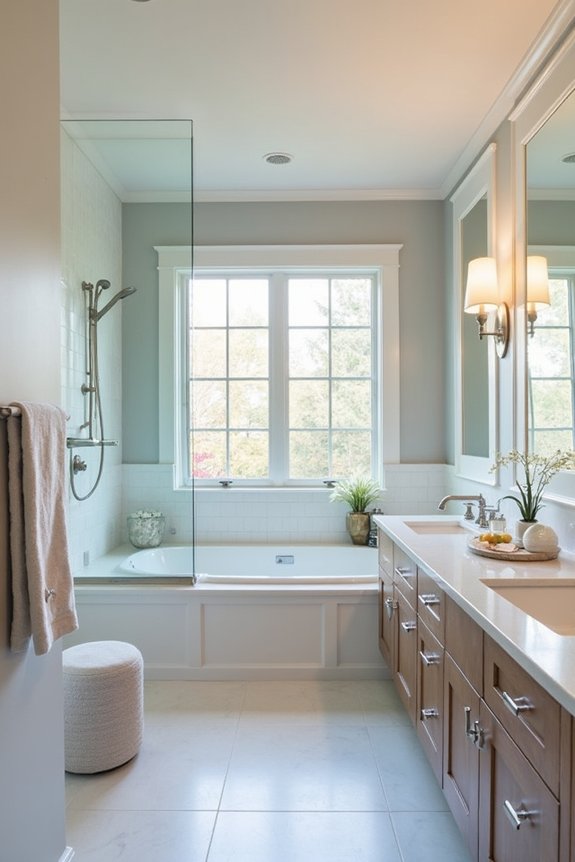
I’ve found that the smartest way to refresh your bathroom on a modest budget is focusing on what people actually *see*—fresh paint, gleaming new faucets, and updated lighting make a real difference. You’re not ripping out walls or relocating plumbing; instead, you’re strategically swapping fixtures and adding affordable tiles in high-impact areas like around the sink or shower surround. It’s that sweet spot where you’ll notice tangible change every time you walk in, while keeping costs reasonable.
Paint and Fixture Updates
Consider updating your bathroom without tearing out walls or replacing plumbing. Paint and fixture updates deliver practical results. I’ve seen bathrooms refreshed through strategic choices that cost less than major renovations.
Fresh paint alone makes a difference—soft whites, warm grays, or gentle blues create calm spaces. New fixtures like faucets, showerheads, and lighting make everything feel current. These are solid choices.
| Element | Cost Range | Impact |
|---|---|---|
| Paint & labor | $500–$1,000 | Noticeable mood shift |
| Fixture replacements | $1,500–$3,500 | Modern feel |
| Hardware updates | $300–$800 | Polished touches |
This approach keeps expenses reasonable while delivering real results. Many homeowners have found that cosmetic refreshes create spaces they use and enjoy every day.
Budget-Friendly Material Choices
When you’re working with $3,000 to $7,000, you’re not stuck with boring basics—you’re smart about where your money goes. I’ve learned that budget-friendly materials significantly impact a cosmetic refresh.
Strategic tiling keeps costs down. Instead of retiling everything, I apply budget tiles selectively—maybe just an accent wall or shower surround. It looks planned rather than incomplete.
Fixture swaps deliver substantial impact. New faucets and showerheads improve your bathroom without plumbing relocations that create unexpected expenses. I’ve seen a simple chrome upgrade create noticeable change.
Paint? It’s your most cost-effective option. Fresh color costs far less than structural changes, yet provides a renewed appearance.
These bathroom remodel choices prove that smart material selection outperforms expensive overhauls every time. You’re investing in what matters most.
Mid-Range Upgrades: $7,000–$20,000
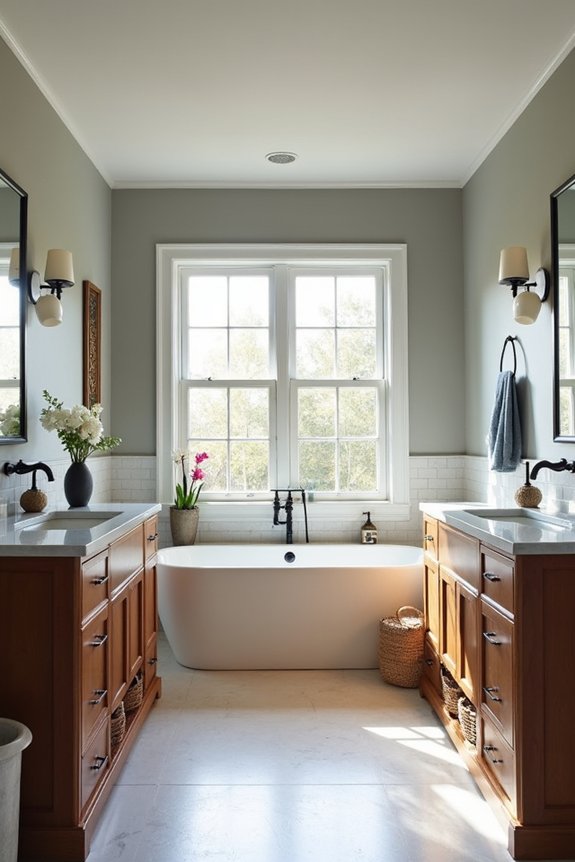
How do you improve a tired bathroom while keeping costs reasonable? That’s where mid-range remodel costs work well. This budget range lets you upgrade meaningfully while staying financially sensible.
You’ll get quality without premium prices:
- Replace major fixtures like your shower, vanity, or toilet with solid mid-range materials
- Add custom tile accents that create real design impact without full retiling
- Install fresh flooring paired with updated paint for a cohesive bathroom design
- Keep layout changes minimal to control plumbing and electrical expenses
At $7,000 to $20,000, mid-range upgrades focus on quality finishes and thoughtful styling. You’re skipping heated floors and custom vanities—honestly, you don’t need them. Instead, you’re investing in fixtures and details that improve daily life. That’s what matters.
Luxury Finishes: $20,000–$50,000
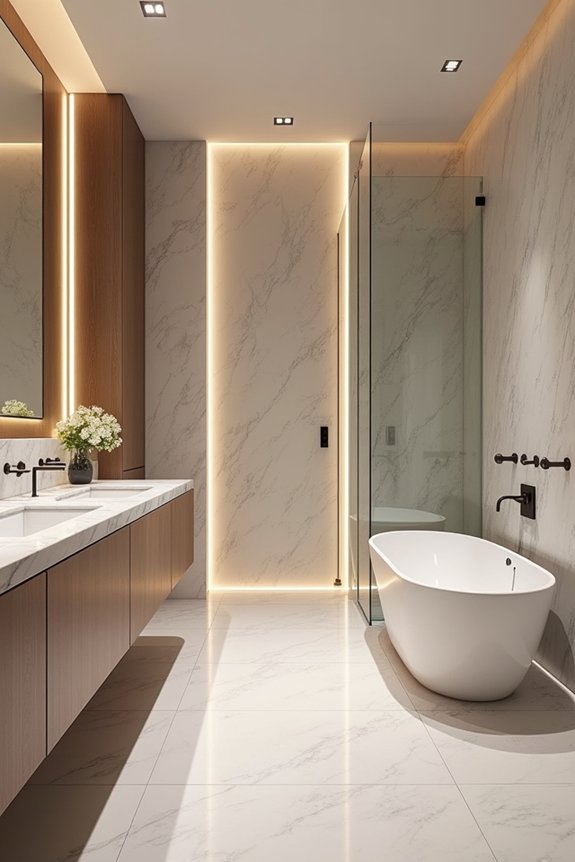
Ready to stop compromising? This is where your bathroom becomes a personal sanctuary.
Luxury finishes bring spa-like features that make you feel like you’re vacationing at a five-star resort. Think frameless glass showers, heated flooring, and backlit mirrors that glow like they’re straight from a designer magazine.
What drives the design cost ranges:
- Premium materials like Pompeii Lincoln Quartz countertops and Tesoro States Series tiles
- Custom vanities built specifically for your space
- Intricate herringbone-patterned floors and decorative tile accents
- High-end designer faucets and architectural lighting
Yes, you’re investing $20,000 to $50,000+. But you’re not just buying fixtures—you’re building a retreat. A place where you belong, surrounded by beauty that’s distinctly yours.
Popular Bathroom Styles and Price Points
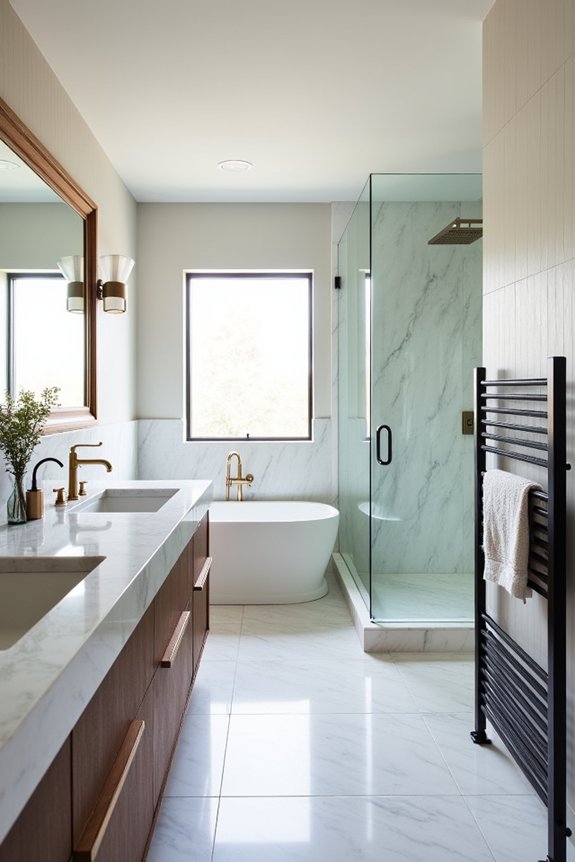
Every bathroom remodel tells a story about your priorities. I’ve learned that price ranges vary wildly depending on the style you choose. Here’s what I’ve discovered:
Every bathroom remodel tells a story about your priorities—and your budget reflects what matters most to you.
- Modern minimalist: £7,000–£15,000 for clean lines and smart storage
- Spa-inspired: £10,000–£18,000 for calming fixtures and premium materials
- Vintage charm: £6,000–£12,000 for character-filled details
- Luxury finishes: £20,000–£50,000+ for designer everything
The bathroom remodel you choose reflects your priorities. A cosmetic refresh might cost £3,000–£7,000, while luxury finishes push budgets significantly higher. You’re not just buying fixtures—you’re creating a space where you spend time daily.
Bathroom Remodel Cost-Saving Strategies
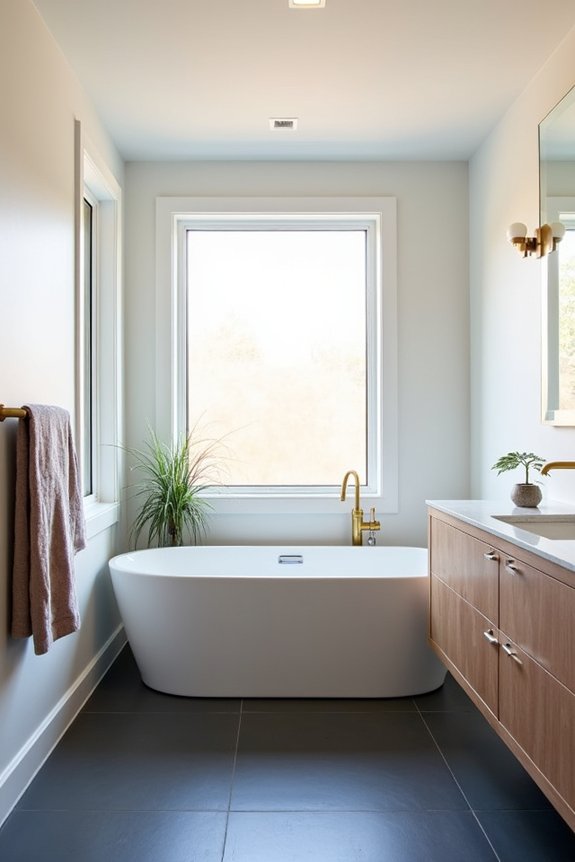
Now that you’ve picked your bathroom style, let’s talk about keeping your wallet happy.
I’ve learned that smart budgeting makes a real difference. Here’s what actually works:
Skip full replacements. Refinishing your existing tub or vanity costs way less than replacing them. Same goes for tiling—fresh paint and budget-friendly updates deliver visual impact at lower cost.
Keep plumbing where it is. Moving pipes? That’s expensive. Staying put saves on materials, labor, and permits.
Choose mid-range finishes. You don’t need premium everything. Balance matters here.
Plan for surprises. Set aside contingency funds because walls always hide something unexpected.
Labor typically runs 40–65% of your bathroom remodel cost, so these cost-saving strategies directly impact your bottom line. Smart choices mean you’re investing wisely, not just spending less.
How Long Your Remodel Takes (and Why)
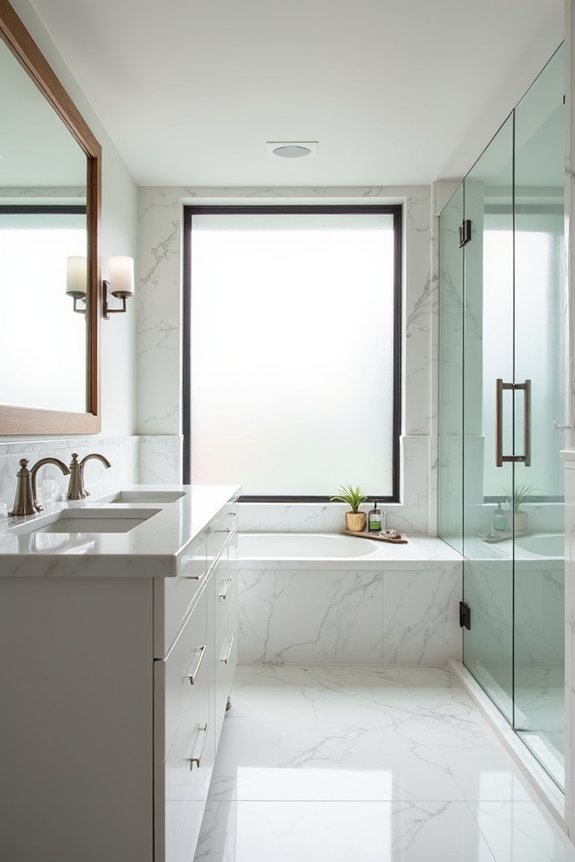
How much time should you actually block off for your bathroom remodel? I’ve learned the hard way that timeline varies dramatically depending on your project’s scope and cost.
Here’s what affects your bathroom remodel duration:
- Project size: Small bathrooms take 1–2 weeks, while medium projects run 2–3 weeks
- Layout changes: Moving plumbing or walls adds weeks due to permits and additional trades
- Premium finishes: Custom cabinetry and luxury materials require fabrication lead times
- Hidden surprises: Moisture, mold, or structural issues derail even the best timeline estimates
Luxury remodels can stretch 3–6+ weeks easily. I’ve watched budgets shift alongside timelines when unexpected problems emerge during demolition. Permits alone can delay things significantly.
The cost of rushing? Usually regret. Planning realistic expectations upfront means fewer surprises and less stress.
Labor vs. Materials: Where Your Budget Actually Goes
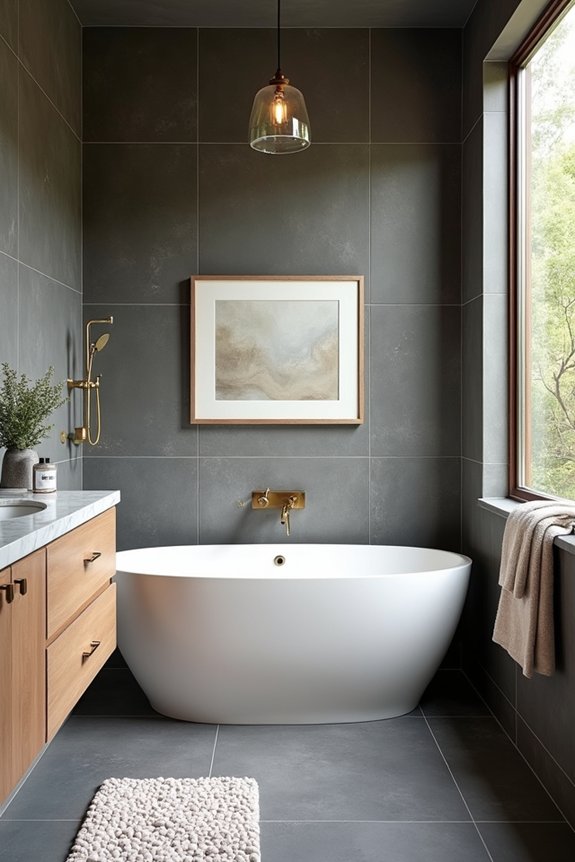
When I renovated my bathroom last year, I was shocked to discover that labor ate up nearly 55% of my total budget—way more than the tile and fixtures I’d obsessed over. Your labor costs cover everything from the plumber’s licensed expertise and electrical permits to the actual demolition work and finishing touches, while materials like flooring, cabinetry, and lighting make up the remaining chunk. Understanding this split matters because something like moving your toilet or relocating plumbing lines doesn’t just cost more in materials; it balloons your labor hours and can extend your timeline, which is why knowing where your money’s actually going helps you make smarter choices.
Labor Cost Breakdown
Where’s your money actually going when you hire contractors for a bathroom remodel? I’ll be honest—it’s mostly labor. Here’s what I discovered:
- Plumbing and electrical work require licensed professionals and permits, which bump up costs markedly
- Installation tasks like tile-setting and fixture placement demand skilled hands
- Demolition and finishing involve heavy labor that takes real time
- Architectural consulting or sales commissions sometimes sneak into your labor bill
Labor typically eats 40% to 65% of your total budget. That might sound steep, but you’re paying for expertise, not just time. When you’re relocating pipes or upgrading wiring, complexity increases significantly. Materials matter too—they’re 35% to 60% of costs—but quality labor determines whether your bathroom functions well and lasts for years.
Material Expense Allocation
Now that you understand labor costs, let’s examine what you’re actually purchasing—because materials reveal different priorities than contractors’ hourly rates.
Materials typically represent 35–60% of your bathroom budget. You’re paying for tile, flooring, cabinetry, fixtures, and lighting. Layout changes require you to buy more materials. Moving plumbing or electrical lines means additional pipes, wiring, and drywall.
| Material Type | Budget Share | Impact |
|---|---|---|
| Flooring & Tile | 20–30% | Sets the foundation |
| Cabinetry | 15–25% | Largest expense category |
| Fixtures & Hardware | 15–20% | Quality affects longevity |
| Lighting & Glass | 10–15% | Final details |
| Permits & Contingency | 5–10% | Unexpected costs |
Premium finishes shift costs toward materials. Standard components require more labor investment. You’re investing in what remains long-term.
ROI and Long-Term Value of Bathroom Remodels
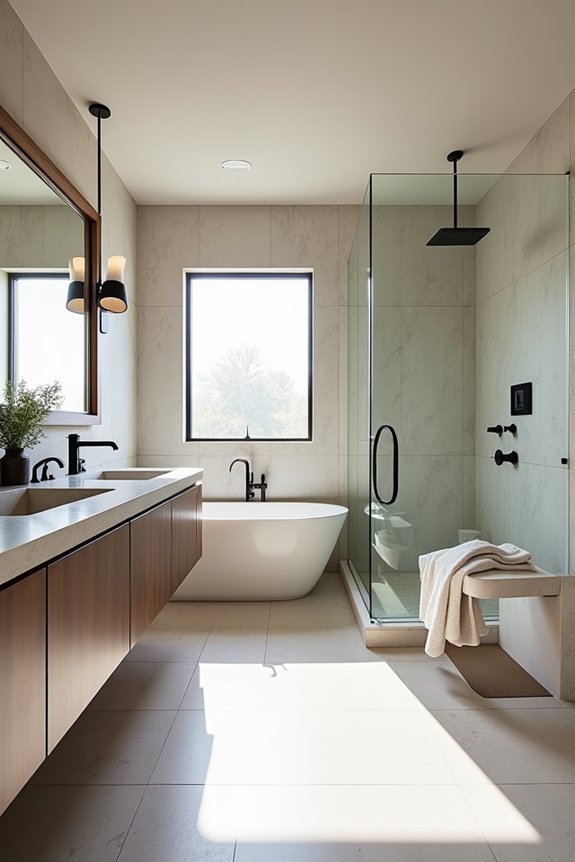
How much of your bathroom renovation budget actually comes back to you when you sell?
I’ve learned that your cost-to-remodel matters way more than the sticker price alone. Here’s what I discovered:
- Mid-range updates boost home value meaningfully at a reasonable cost
- Full remodels typically deliver stronger long-term ROI than cosmetic fixes
- Luxury-bathroom features like heated floors sound nice but sometimes cost more than buyers reward
- Timeless finishes hold their appeal longer than trendy, specialized upgrades
Premium materials—think Pompeii Lincoln Quartz or herringbone flooring—absolutely increase resale appeal. They make your bathroom feel well-designed. But layout changes and plumbing work? They’ll eat into your ROI through extended timelines and interruptions.
The sweet spot? Durable, low-maintenance designs with consistent style. You’ll have confidence knowing your investment stays valuable for years, not just months.