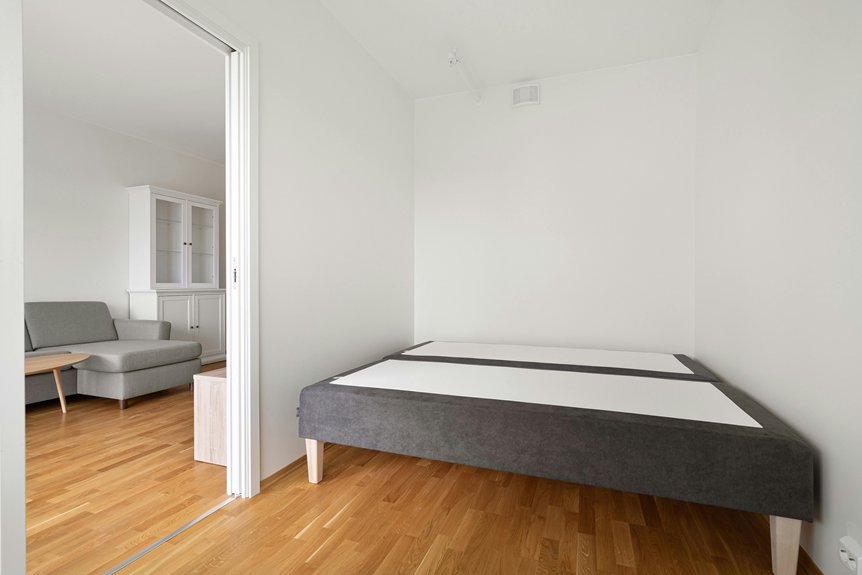
Converting your living room into a dual-purpose bedroom requires strategic choices. Start with a quality sofa bed that functions well for both daytime lounging and nighttime sleep, combined with storage ottomans to conceal bedding and everyday items.
Use room dividers, curtains, or open shelving to establish separate zones without installing permanent walls—an ideal solution for renters. Layer your lighting to support different activities, place an accent rug in the sleeping area, and choose warm colors for the rest zone and cool tones for the activity area. This approach works effectively and provides multiple options for making the space functional and attractive.
Who Should Convert Their Living Room Into a Bedroom
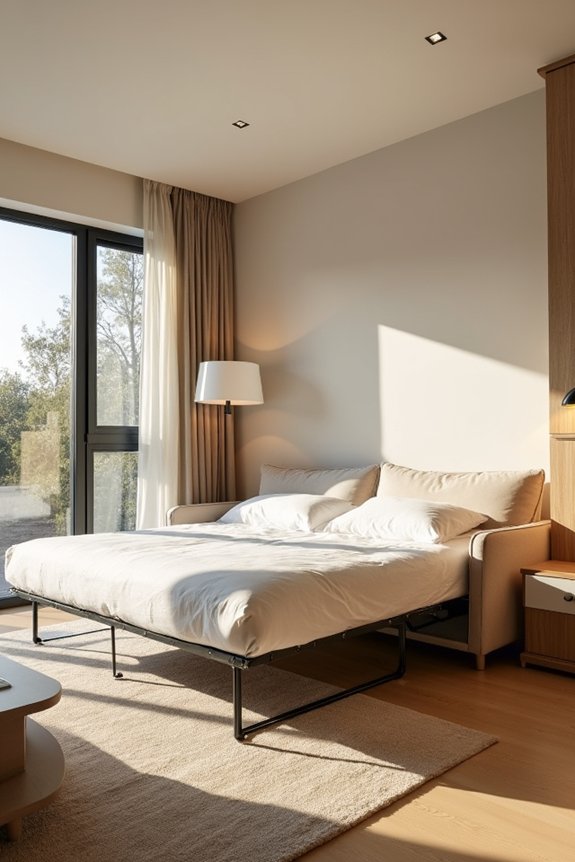
Why do so many of us feel stuck in spaces that don’t quite work for our lives?
Why do so many of us feel stuck in spaces that don’t quite work for our lives?
If you’re renting a small apartment or studio, you’ve probably wished for more bedrooms. Converting your living room might be your answer. I’m talking about you if you need an extra sleeping space but can’t afford an external extension.
A sofa bed lets your living area serve dual purposes. Space optimization through multifunctional furniture lets you keep that open feel while gaining bedroom functionality.
Renters especially benefit here. You’re not permanently altering walls—just smartly adapting what you have. Whether you’re hosting guests frequently or need a dedicated workspace that doubles as sleeping quarters, this approach lets you belong fully to your space. It’s about making your home actually work for *your* life, not the other way around.
Choose the Right Multifunctional Furniture for Your Space
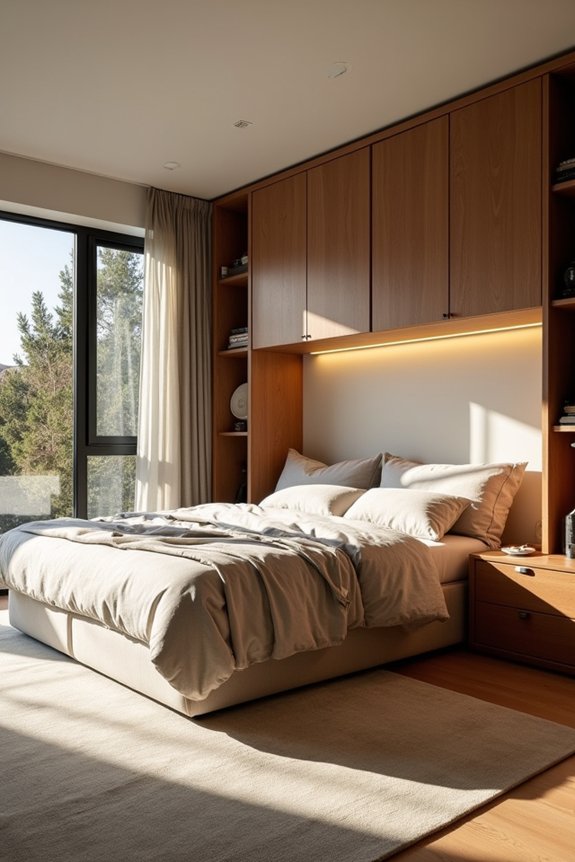
How do you squeeze a bedroom into a living room without making everything feel cramped? Multifunctional furniture is the solution.
A quality sofa bed becomes your centerpiece—comfortable for lounging during the day, a legitimate sleeping surface at night. Poor mattresses ruin everything, so this matters.
Beyond sofas, prioritize storage solutions like ottomans with drawers and coffee tables that hide clutter. They’re practical in tight spaces.
Wall beds work too—they fold up completely, reclaiming your room instantly.
Look for durable brands offering extended warranties and fast delivery. Affordable options don’t require sacrificing quality. These pieces help you create the dual-purpose space you need—a place that works for both living and sleeping.
Partition Your Room With Screens, Curtains, or Dividers
Once you’ve got your multifunctional furniture in place, creating visual boundaries helps organize your room—and you don’t need permanent walls to do it.
Folding screens work well for renters. They’re affordable, moveable, and let you reconfigure your space daily. Want your bedroom separated from the living area on Monday? Slide that screen over.
Curtains offer flexibility too. I switched to navy velvet for winter and white linen for spring—suddenly my room felt like two different spaces. They’re space-saving and stylish.
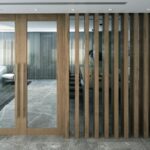
For more privacy, sliding doors work beautifully. You can DIY them with barn doors or modern designs without committing permanently.
These dividers preserve that open-flow feeling while clearly separating your zones. That’s what works best for dual-purpose rooms.
Create a Bedroom Zone With Rugs, Lighting, and Furniture
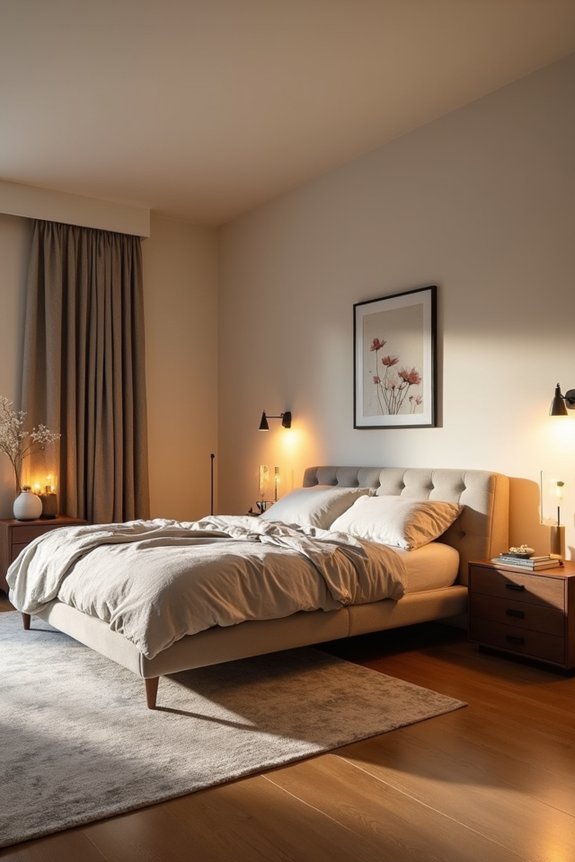
The key is viewing your space as two distinct areas rather than one room. Simple additions help you create a functional bedroom-living hybrid.
Here’s what works:
- Area rugs define the sleeping zone—a soft 5×8 rug partially under your bed creates clear separation
- Layered lighting allows flexibility; bedside lamps plus dimmable overhead lights let you adjust the mood based on your needs
- Multi-functional furniture conserves space; sofa beds and storage ottomans serve double purposes
- Soft textiles in calming colors—curtains, throw blankets, pillows—visually separate zones while maintaining openness
Positioning a low-profile bed away from your main living area preserves privacy without using room dividers. These elements work together to create distinct spaces that meet both your rest and social needs. You’re not sacrificing anything; you’re designing a space that fits how you actually live.
Use Bookshelves to Split the Room and Add Storage
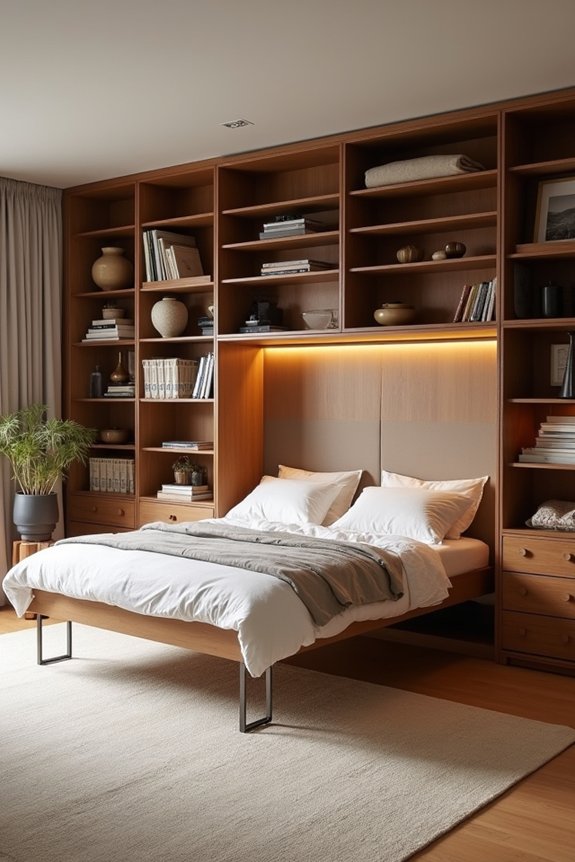
I’ve found that a simple bookshelf serves dual purposes in a space-challenged room—it acts as a visual wall between your living area and sleeping zone without blocking light or requiring any drilling. Open shelving keeps the room feeling airy while providing spots to stash books, plants, and personal items that make the space feel organized rather than cramped. Best part? When your needs shift, you can easily move or rearrange these units to reconfigure your layout, making them far more flexible than a permanent wall ever could be.
Shelving Units Define Zones
How’d you like to split your room in half without busting through walls or dropping serious cash?
Shelving units work well for this. They’re functional furniture that creates a visual boundary while keeping everything open and airy. Here’s what makes them useful:
- Open designs let light flow through, making your space feel bigger than it actually is
- You get bonus storage without sacrificing that connected feeling
- They’re totally moveable when your needs shift
- Vertical shelving frees up precious floor space for flexible arrangements
I placed a simple bookcase between my living and sleeping zones, and suddenly I had two distinct areas that still felt unified. The best part? When I rearranged furniture, my shelving moved right along with me. That flexibility matters when you’re juggling multiple purposes in one room.
Storage Solutions Maximize Space
Want to squeeze more function out of your multipurpose room without a sledgehammer and a contractor’s invoice? The right shelving does serious work here.
A simple bookcase splits your living and sleeping zones while storing everything you’d otherwise pile on the floor. I’m talking bedding, clothes, books, and decor—all neatly organized vertically.
What works well: open shelving keeps light flowing through, so your room doesn’t feel cramped. It’s multipurpose furniture that actually earns its space.
Consider these storage solutions:
- Place shelving perpendicular to create a visual wall
- Use baskets on lower shelves for clothes and linens
- Display books and decor on upper levels
This approach maximizes every inch without feeling heavy or permanent. Your room stays flexible, functional, and genuinely yours.
Open Designs Maintain Light Flow
Now that you’ve got your storage sorted, let’s talk about keeping your room from feeling like you’ve stuffed two lives into one shoebox.
Open bookshelves work well for this. Here’s why:
- Light streams through the gaps, preventing that trapped feeling solid walls create
- You can see across the entire space, making everything feel bigger
- Air circulates naturally, keeping your room fresh and inviting
- Flexibility matters—reconfigure shelves whenever your needs shift
Open designs let your sleeping area and living zone coexist peacefully. The light flow isn’t just practical; it’s emotional. You’re not hidden away or cramped. Instead, you’re in a space that breathes with you.
An open bookshelf room divider is furniture that serves a purpose. It says: *You can have both. You can be both.*
Movable Partitions and Space-Saving Bed Solutions
When you’re juggling a living room that doubles as your bedroom, you’ve got to get creative—and that’s where movable partitions and smart bed choices come in.
I’ve found that folding screens are useful for renters. You can reposition them daily, creating privacy when you need it without any permanent damage. Pair these with space-saving bed solutions like murphy beds or daybeds that tuck away during the day.
Multi-functional furniture serves multiple purposes. A sofa bed gives you seating by day, sleeping space by night. Storage ottomans hide blankets and pillows while serving as footrests.
The key? You’re not locked into one layout. Rearrange your partitions on Monday, shift your daybed Thursday. Your space evolves with you, adapting to what you actually need that week. That flexibility? It’s genuinely liberating.
Divide Your Living Room-Bedroom With Paint and Wallpaper
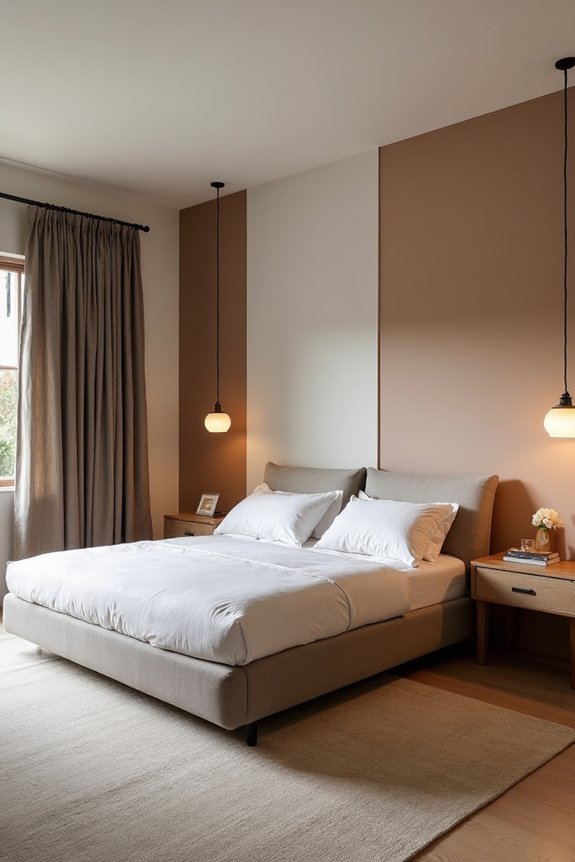
When I first tackled my studio apartment dilemma, I realized that paint and peel-and-stick wallpaper could work well—dividing one room into two distinct zones without any permanent damage. You can use contrasting colors (think: a bold navy accent wall for your sleeping nook and soft, airy patterns for the living side) to create visual separation that actually makes your space feel larger, not cramped. The best part? These non-permanent solutions let you switch things up seasonally or whenever your mood changes, so you’re never locked into one design forever.
Visual Zones With Color
How’d you like to create two completely different spaces without picking up a hammer or calling a contractor? Color blocks work effectively for a living room bedroom conversion.
Here’s what works about using visual zones with color:
- Paint your sleeping area in warm, soft beiges or creams to signal rest
- Use cool blues and greens in your living zone to encourage activity
- Add a contrasting accent wall behind the bed for instant separation
- Consider peel-and-stick wallpaper if you’re renting—zero commitment, maximum impact
These colors function together effectively. Your brain recognizes the shift immediately. You’re no longer confused about whether you’re lounging or sleeping. You’ve created distinct spaces using psychology, not walls.
Peel-And-Stick Wallpaper Solutions
Color’s powerful, but you see—sometimes paint alone doesn’t quite cut it. That’s where peel-and-stick wallpaper works well for creating real visual separation without the commitment.
This solution gives you immediate results. You can cover one wall behind your sleeping area with a bold pattern while keeping the living zone neutral. The best part? No paste. No mess. No landlord stress.
Here’s what makes it work:
- Easy installation means you’re done in an afternoon
- Quick removal when you need change
- Pattern variety creates distinct zones beautifully
Pair your peel-and-stick choice with complementary paint to strengthen that boundary. Your sleeping nook feels genuinely separate now—psychologically and visually. You’ve created two spaces from one, and nobody had to break a sweat.
Non-Permanent Wall Treatment Ideas
Creating room separation without hiring a contractor or losing your security deposit is possible through smart design choices.
Non-permanent walls using paint and wallpaper create effective room division. Here’s what works:
- Peel-and-stick wallpaper on accent walls defines your sleeping area
- Removable paint comes off cleanly when you’re ready for change
- Fabric panels hung from ceiling to floor divide zones effectively
- Temporary borders mark boundaries between living and bedroom spaces
You’re primarily creating visual zones without commitment. Contrasting colors reinforce functional separation. These non-permanent wall treatments allow you to redesign seasonally without concern. Your space adapts as your needs change. Plus, you’ll never worry about landlord approval. It’s flexibility that works for rental living.
Smart Storage for Living Room-Bedroom Spaces
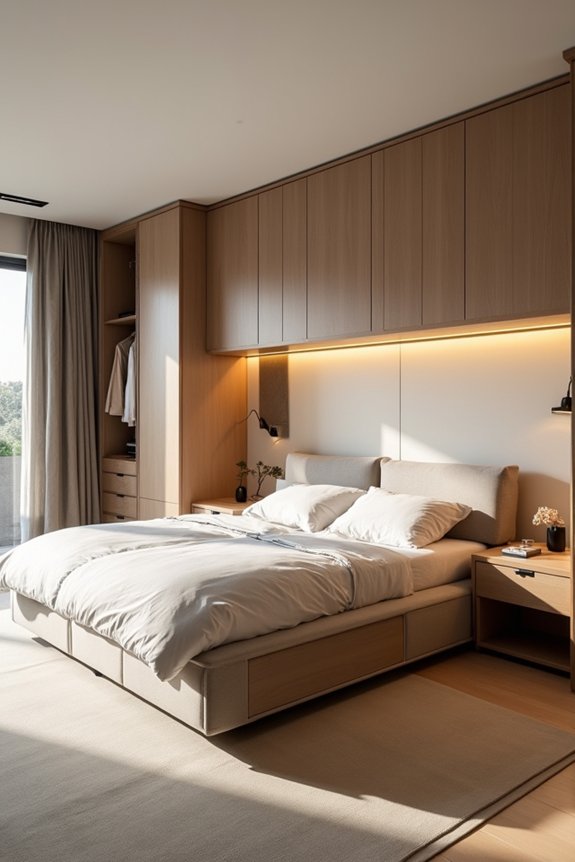
When you’re squeezing a bedroom into your living room, storage becomes essential. Smart furniture choices help reduce clutter and create organization.
Storage ottomans do double duty—they hold your bedding by day and become extra seating when guests arrive. I keep mine at the foot of my bed, and it works well for my needs.
Multipurpose furniture like storage coffee tables with drawers hide guest essentials while keeping your space looking organized. Under-bed drawers and storage daybeds maximize that precious floor real estate.
Wall beds with built-in shelving are practical solutions. They fold away completely, freeing space for living room activities during the day.
The trick? Choose pieces that earn their spot. Every item should work harder than traditional furniture, creating a space that serves both purposes.
Keep It Stylish by Day, Bedroom by Night
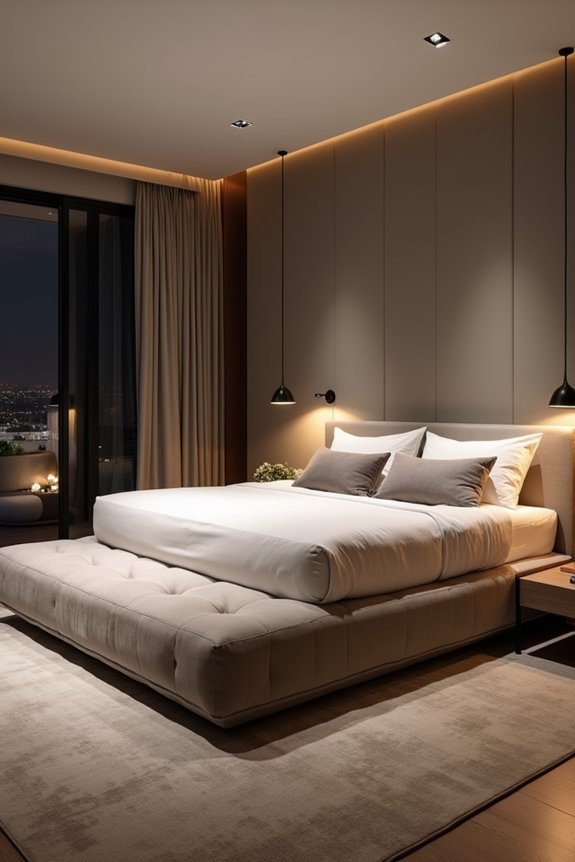
- Sofa bed magic – Mine looks stylish by day, converts at night
- Room divider strategy – A sleek screen hides bedding instantly
- Layered lighting – Bright overhead lights by day, soft lamps at night
- Multifunctional furniture – Storage ottomans hide clutter and scattered items
Your space doesn’t have to choose between two purposes. You’re creating two distinct moods in one room. When evening arrives, you have a quiet retreat. When people visit, they won’t realize your bedroom doubles as a living area.
Mistakes to Avoid: Poor Ventilation, Clutter, and Cramped Layouts
When I first converted my living room into a sleeping space, I learned the hard way that poor ventilation, hidden clutter, and tight layouts can turn your multipurpose room from functional to frustrating—fast. You’ll want to tackle three key issues: getting fresh air flowing through the room, finding smart storage spots so your space doesn’t feel cramped, and arranging furniture so you can actually move around without doing an awkward shuffle past the sofa bed at 2 a.m. Let’s walk through how to fix each one.
Ensuring Adequate Air Circulation
Why does your multipurpose room sometimes feel stuffy after you’ve slept there, even with windows cracked open? The answer lies in poor ventilation and space planning.
Adequate airflow matters for comfort:
- Aim for 5–10 air changes per hour using cross-ventilation between opposite windows
- Clear walkways completely—clutter creates stagnant pockets where air gets trapped
- Maintain 3–4 feet of clearance around beds and furniture so air circulates freely
- Choose low-profile furniture instead of tall partitions that block airflow
I used to cram my room with heavy dressers and tall shelving. Switching to open shelves and repositioning my dividers monthly made a noticeable difference. This adjustment changed how my space felt—from claustrophobic to noticeably more breathable. Your multipurpose room deserves that same attention.
Minimizing Clutter Strategically
You’ve got the airflow sorted—now comes the harder part: keeping stuff from taking over.
I learned this the hard way. When you’re living and sleeping in the same room, every item matters. That’s why I invested in storage ottomans—they hide daily essentials while giving me extra seating. Under-sofa bins? A practical solution for blankets and pillows.
Strategic clutter reduction means choosing multi-functional pieces. My sofa bed has built-in drawers underneath, so nothing sits on the floor. Shelving with concealed compartments keeps books and personal items organized yet invisible.
The trick isn’t buying more—it’s being intentional. Each object earns its spot or goes. This approach keeps my dual-purpose room from feeling chaotic, making it a space where I actually want to be both day and night.
Optimizing Layout Flow
How’s your furniture arranged right now? I used to cram everything into tight corners, thinking I’d maximize space. It didn’t work.
Here’s what changed my dual-use room:
- Create walking pathways – I aimed for 3 feet of clear space around major pieces
- Choose multifunctional furniture – A storage ottoman became my coffee table and guest bed base
- Use room dividers strategically – A lightweight fabric divider defined my sleeping zone without blocking light or airflow
- Keep circulation flowing – I positioned furniture to guide natural movement between zones
Your layout flow directly affects how the space feels. When I stopped blocking pathways with bulky pieces, the room felt larger. Room dividers helped me sleep better too—my brain recognized one area as “bedroom” without feeling trapped.
Think of your layout as a conversation. Let furniture talk to each other naturally.
Space-Saving Furniture That Works Double Duty
When I first tackled converting my living room into a dual-purpose space, I realized the secret wasn’t about squeezing in more furniture—it’s about choosing pieces that work hard.
A sofa bed became my MVP. By day, it’s my comfortable seating. By night, it becomes a guest bed. I paired it with storage ottomans that hide extra pillows and blankets while serving as a footrest.
For maximum flexibility, I added a Murphy bed that folds up against the wall. When guests leave, my space returns to normal instantly.
I also invested in a lift-top coffee table that conceals bedding underneath. Every piece serves multiple purposes rather than just taking up space. That’s what makes a living room genuinely versatile.